
It’s the holiday season, and our Curious Kitty is keeping a close eye on one very important topic: Health and Safety.
Between extra visitors, rich foods, decorations, candles, and all the general chaos, this time of year can be a little stressful—and not just for humans. Our pets may be sneaking snacks, getting underfoot, hiding from company, or just acting “off,” and it can be hard to tell what’s normal and what’s worrisome.
That’s where Curious Kitty comes in. In this series, I’ll be answering basic, everyday questions to help you feel more confident about your pet’s health—whether you live with a dog, cat, or small pet like a guinea pig or rabbit.
Q: What are the signs of a sick pet?
Short answer: Any noticeable change in your pet’s normal behavior, appetite, energy, bathroom habits, or breathing can be a sign that something’s not right. When in doubt, it’s always okay to call your vet and ask.
Let’s break it down a bit more.
1. Changes in energy and behavior 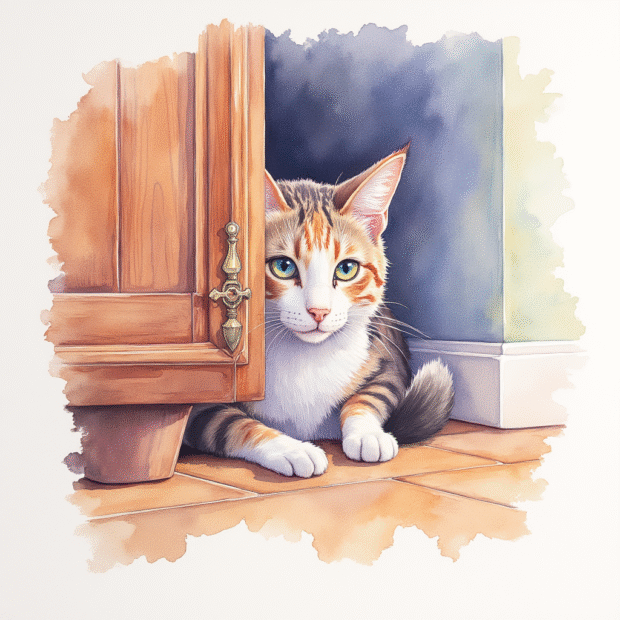
These are often the first clues:
- Lethargy – Your normally playful pet is suddenly tired, withdrawn, or sleeping much more than usual.
- Restlessness or agitation – Pacing, whining, or not being able to settle, especially if paired with other symptoms.
- Hiding – Cats and small pets in particular may hide when they don’t feel well.
- Unusual aggression or irritability – A normally friendly animal that suddenly growls, snaps, or avoids touch may be in pain.
Any big personality shift is worth paying attention to.
2. Changes in appetite or thirst
Food and water habits tell you a lot:
- Not eating or eating much less – Skipping one meal might just be a fluke. Skipping more than one, or refusing favorite treats, is a red flag.
- Drinking much more or much less – Sudden changes in thirst can be related to many health conditions.
- Drooling, pawing at the mouth, or difficulty chewing – Could indicate dental pain, nausea, or something stuck.
For small pets (like guinea pigs and rabbits), any drop in appetite is urgent, because they can become very sick very quickly if they stop eating.
 3. Vomiting, diarrhea, and bathroom changes
Around the holidays, rich foods, table scraps, and trash exploring can upset tummies—sometimes mildly, sometimes seriously.
Call your vet if you notice:
- Vomiting or diarrhea that happens more than once, or comes back repeatedly.
- Blood in vomit or stool (bright red or black, tarry stool).
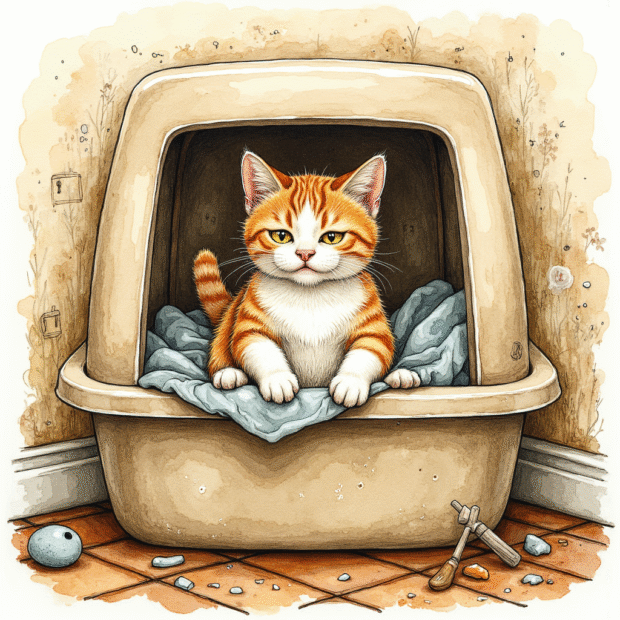
- Straining to pee or poop, or not going at all.
- Going to the litter box or outside more frequently than usual, especially if little or nothing happens.
These signs can range from mild tummy upset to something more serious, so it’s always better to ask your vet for guidance.
4. Breathing changes and coughing
Contact your vet right away if you see:
- Fast, labored, or noisy breathing
- Persistent coughing or wheezing
- Open-mouth breathing in cats (this is always urgent)
Trouble breathing is considered an emergency and should be evaluated as soon as possible.
5. Eyes, nose, and mouth changes 
Watch for:
- Goopy or discolored eye discharge
- Red, swollen eyes or squinting
- Nasal discharge (especially thick, yellow/green, or bloody)
- Pale, blue, or very bright red gums
- Bad breath that suddenly gets much worse
These can be signs of infection, dental disease, or other medical issues.
6. Mobility and body changes
Your pet may be sick or in pain if you notice:
- Limping or stiffness
- Difficulty standing up, jumping, climbing stairs, or using the litter box
- Swollen areas, lumps, or bumps
- Sudden weight loss or weight gain
- Excessive scratching, licking, or chewing at the skin
Persistent lameness or obvious pain should be checked by a vet.
 7. When it’s an emergency
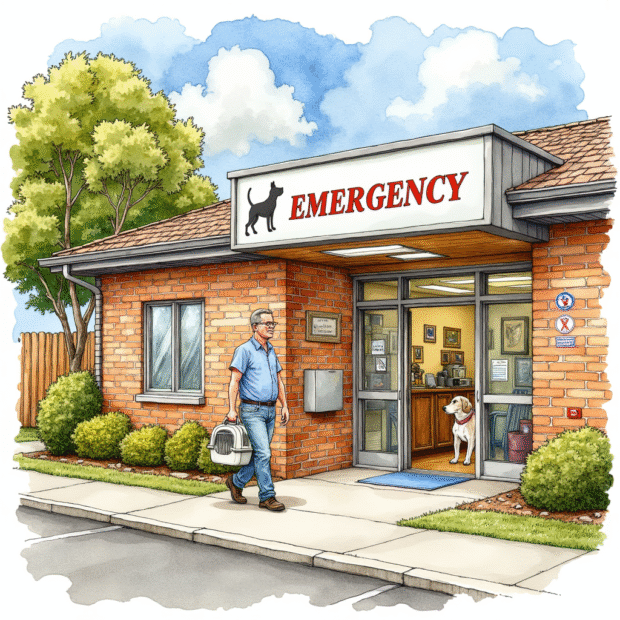
You should seek immediate veterinary care (emergency vet if needed) if your pet has:
- Difficulty breathing
- Repeated vomiting or diarrhea, especially with blood
- Collapse, seizures, or inability to stand
- A hard, swollen belly that’s painful to touch
- Inability to urinate, or straining with no results
- Extreme lethargy, unresponsiveness, or very pale/white gums
If something feels really wrong, trust your instincts and call an emergency clinic.
What to do if you see these signs
- Stay calm and observe. Note when the change started, how often it’s happening, and anything unusual your pet may have eaten or gotten into (decorations, plants, table scraps, etc.).
- Call your veterinarian. Describe the symptoms clearly and mention your pet’s species, age, and any current medications.
- Follow their advice. They may suggest monitoring at home, scheduling an appointment, or going straight to an emergency hospital.
A gentle reminder
The information in Curious Kitty is for general guidance—it’s not a replacement for a hands-on exam by your veterinarian. You know your pet’s “normal” better than anyone. If something feels off, even if you can’t put your finger on it, it’s always okay (and never “silly”) to call your vet and ask.
This holiday season, we’ll keep diving into more health and safety topics so you can keep your pets Pawsitively Well—all season long. 🐾✨