
January is Walk Your Dog Month—aka the perfect excuse to bundle up, grab the leash, and turn daily walks into a wellness ritual for both you and your pup.
Walking isn’t just “bathroom time.” It’s exercise, mental enrichment, confidence-building, and relationship currency—all wrapped into one simple routine.
The key aspects of a great dog walk
1) Safety first (always).
Your job is to set your dog up to succeed: choose safe routes, scan ahead for triggers (loose dogs, bikes, kids, wildlife), and keep your dog under control with appropriate equipment.
2) Physical + mental needs.
Most dogs benefit from consistent movement and sniffing/engagement. Walks are also a perfect place to practice basics (check-ins, loose leash walking, “leave it”).
3) The right pace and distance for your dog.
A young, athletic dog and a senior with stiff joints shouldn’t have the same “standard walk.” Adjust for age, weather, and health. When in doubt, ask your veterinarian.
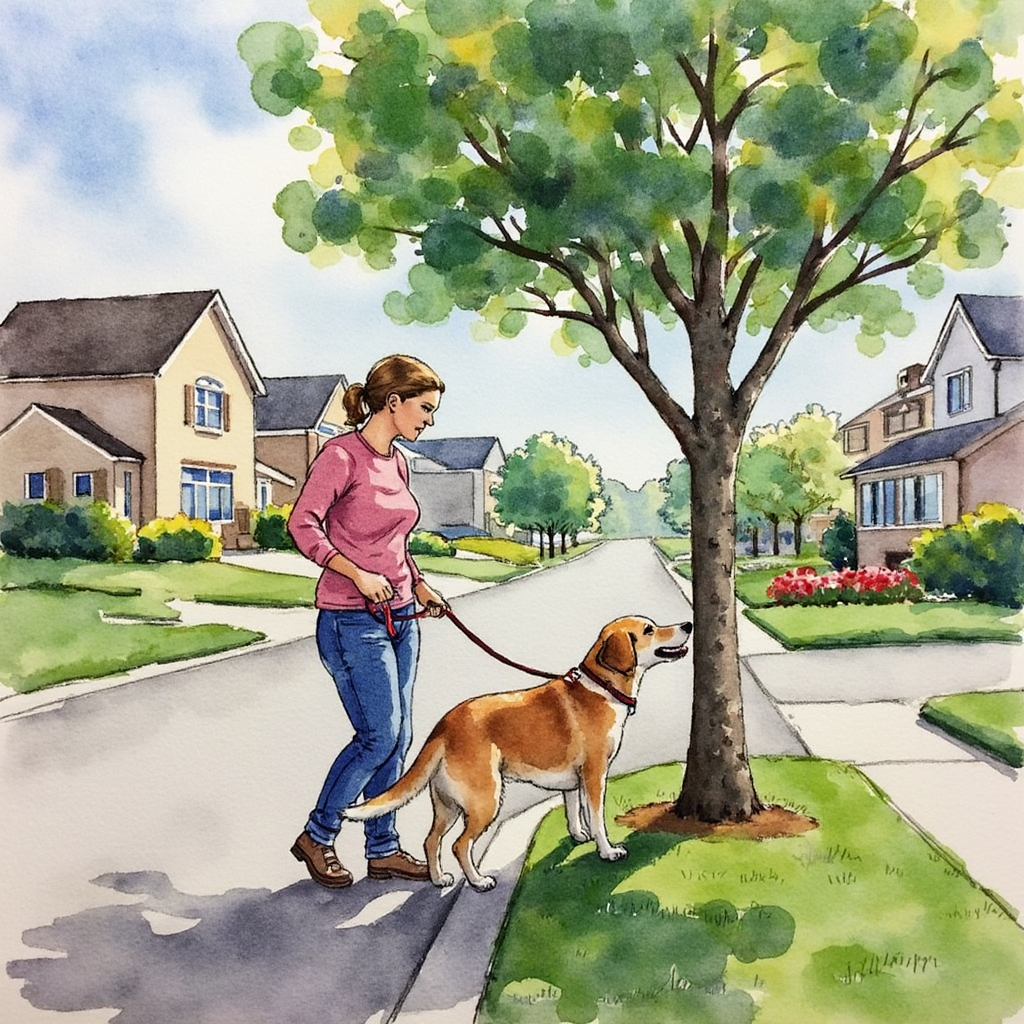
4) Training mindset > mileage mindset.
A short walk with great manners and calm choices can be more valuable than a long walk full of pulling and stress.
Tips for a successful walk (that feels easy, not exhausting)
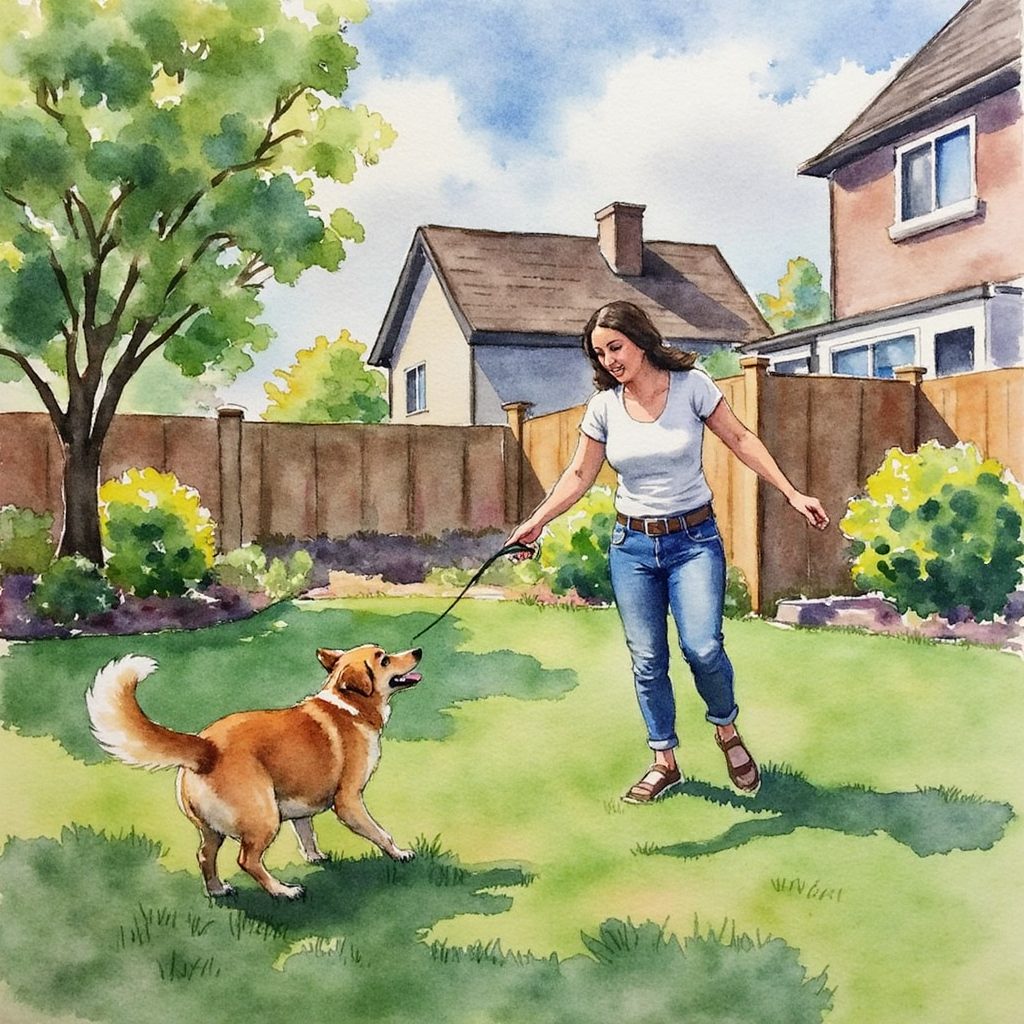
Do a quick “edge-off” before you head out. If your dog is bursting with energy, a short game of tug/fetch first can make the walk calmer and more focused.
Start with a “warm-up minute.”
Step outside, stand still, reward calm, let them sniff—then begin. This reduces the “GO GO GO!” explosion.
Reward the behavior you want.
Treats aren’t bribery—they’re communication. Reward for:
*walking near you with a loose leash
*choosing to look at you
*passing distractions calmly
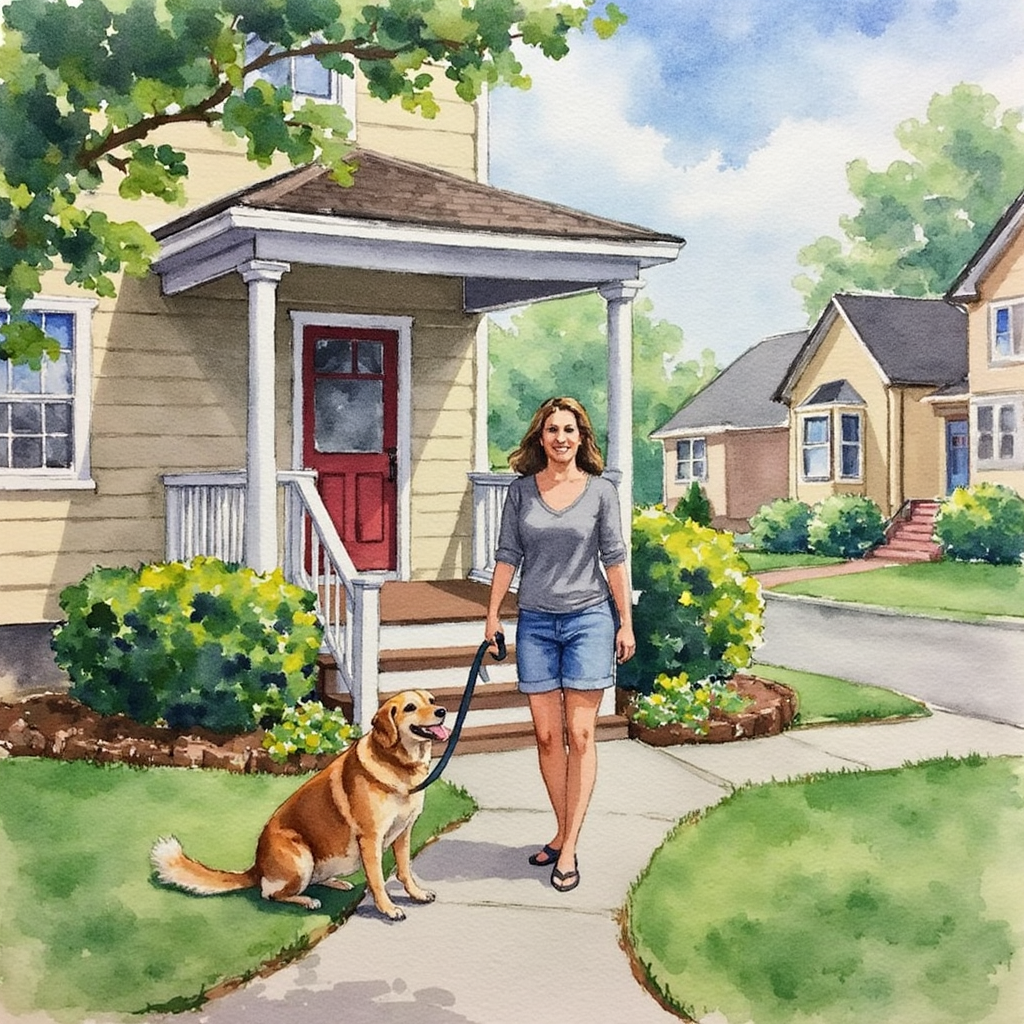
Build in “sniff breaks.”
Sniffing is mental enrichment and stress relief. Let your dog “read the news” for a minute, then move on.
Keep it short and repeatable.
A few short, pleasant walks beat one long chaotic one (especially when you’re training).
Proper tools for walking: your simple gear checklist
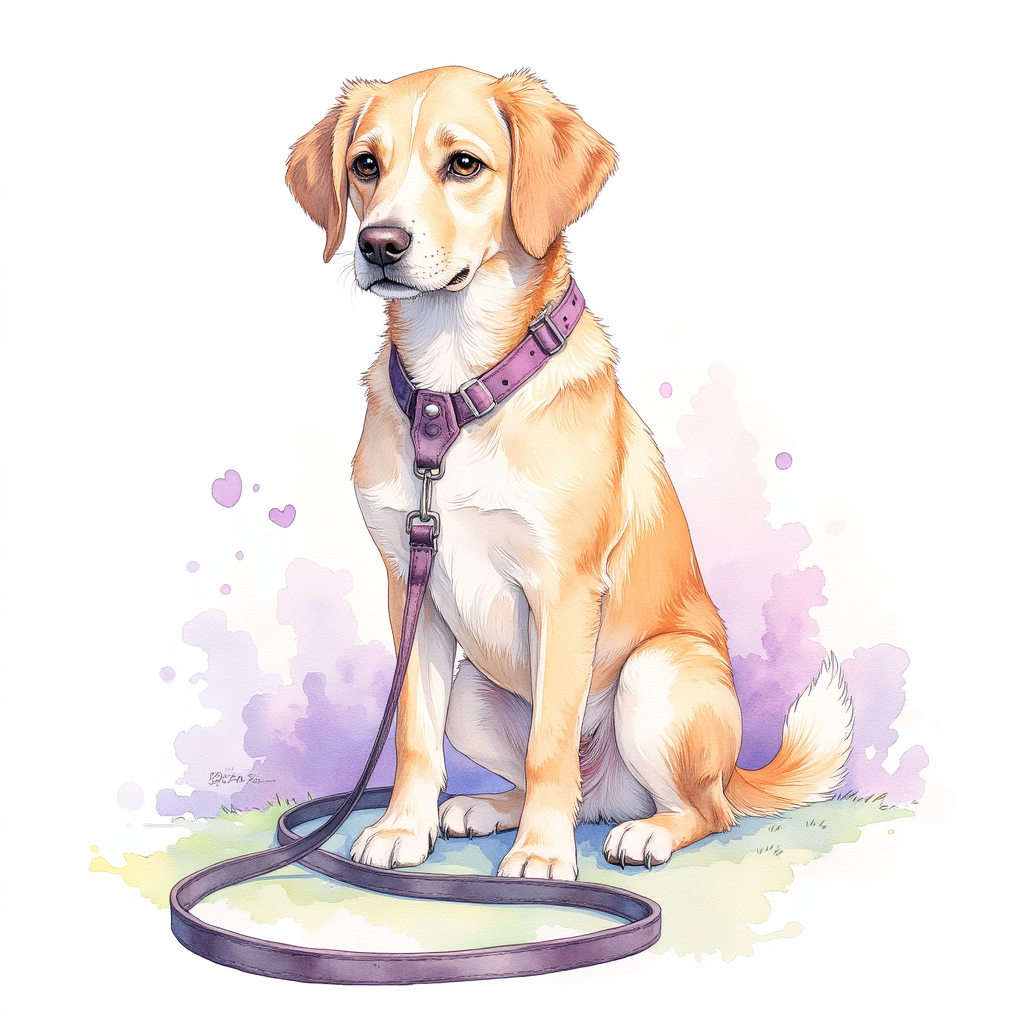
Leash:
- A 4–6 foot leash is the go-to for training and everyday walks.
- A long line can be helpful for recall practice in safe, open areas.
- Avoid retractable leashes for dogs who aren’t leash-trained—they can teach pu
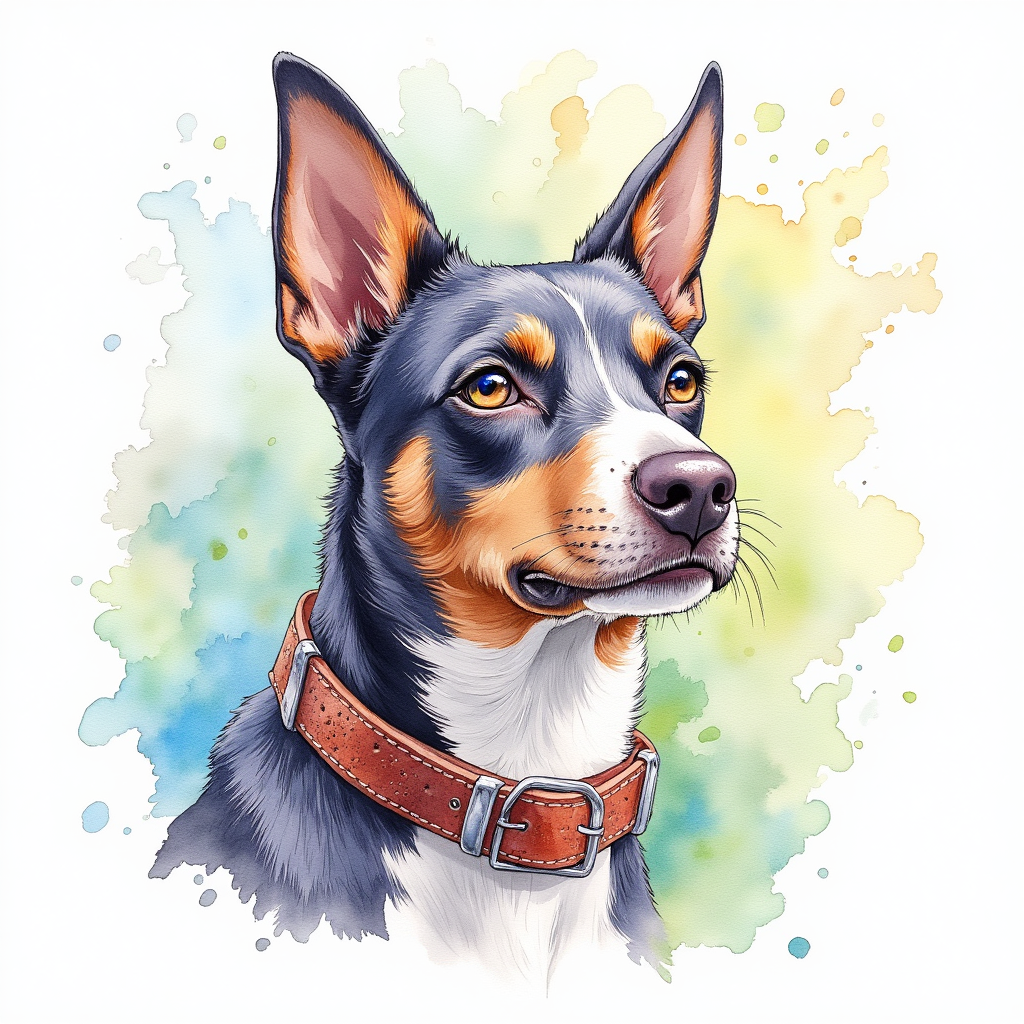
Collar or harness:
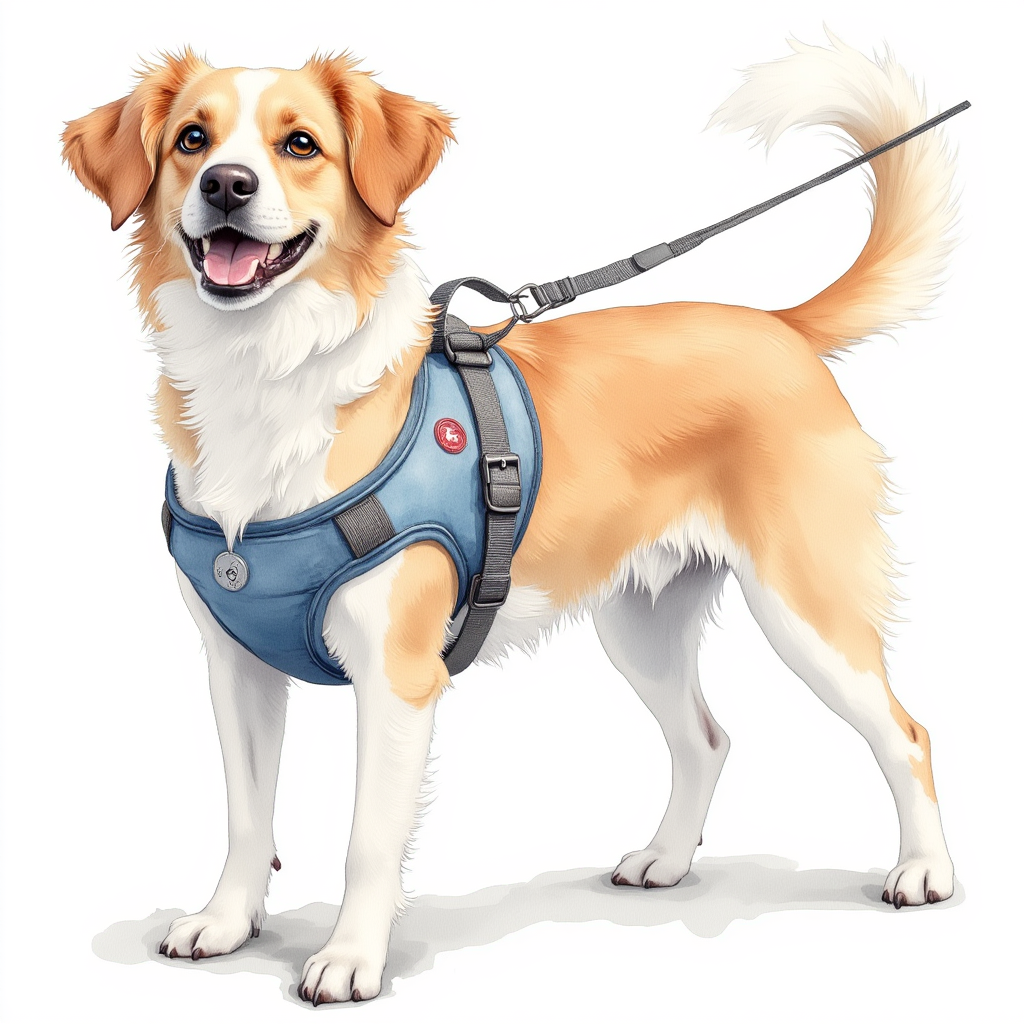
If pulling is an issue, consider a front-clip harness, which can reduce tugging compared to back-clip styles.
A well-fitted flat collar works for many dogs.
Extras worth having:
- poop bags + holder
- high-value treats (especially around distractions)
- reflective gear/lights for early sunsets
- ID tags + up-to-date microchip info
- water for longer walks or warmer days
The Gentle Leader (head halter): what it’s great for—and how to use it safely
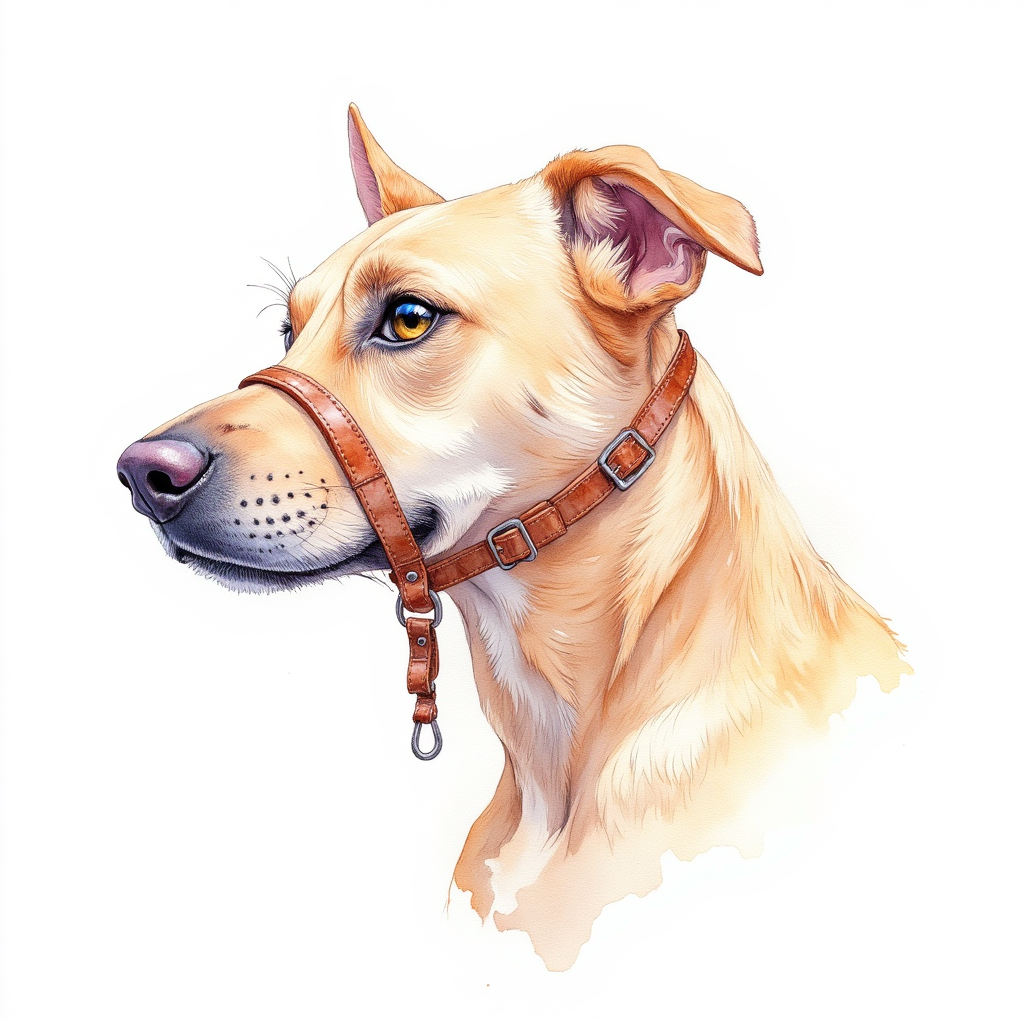
A Gentle Leader is a head halter/head collar with a loop around the neck and a loop around the snout. It works by gently guiding the dog’s head—often giving handlers more control with less physical effort.
Why some people love it
- Extra steering power for strong pullers (think “power steering”)
- Helpful for dogs who make walks physically difficult for the handler
- Can be a training aid while you teach loose leash skills, not just a “device you use forever”
Safety rules (non-negotiable)
Use a backup connection (pair it with a harness or regular collar) in case your dog slips equipment.
Never snap or jerk the leash on a head halter—neck injury could result.
Introduce it gradually using treats and desensitization/counter-conditioning.
Which dogs/breeds should NOT use a Gentle Leader?
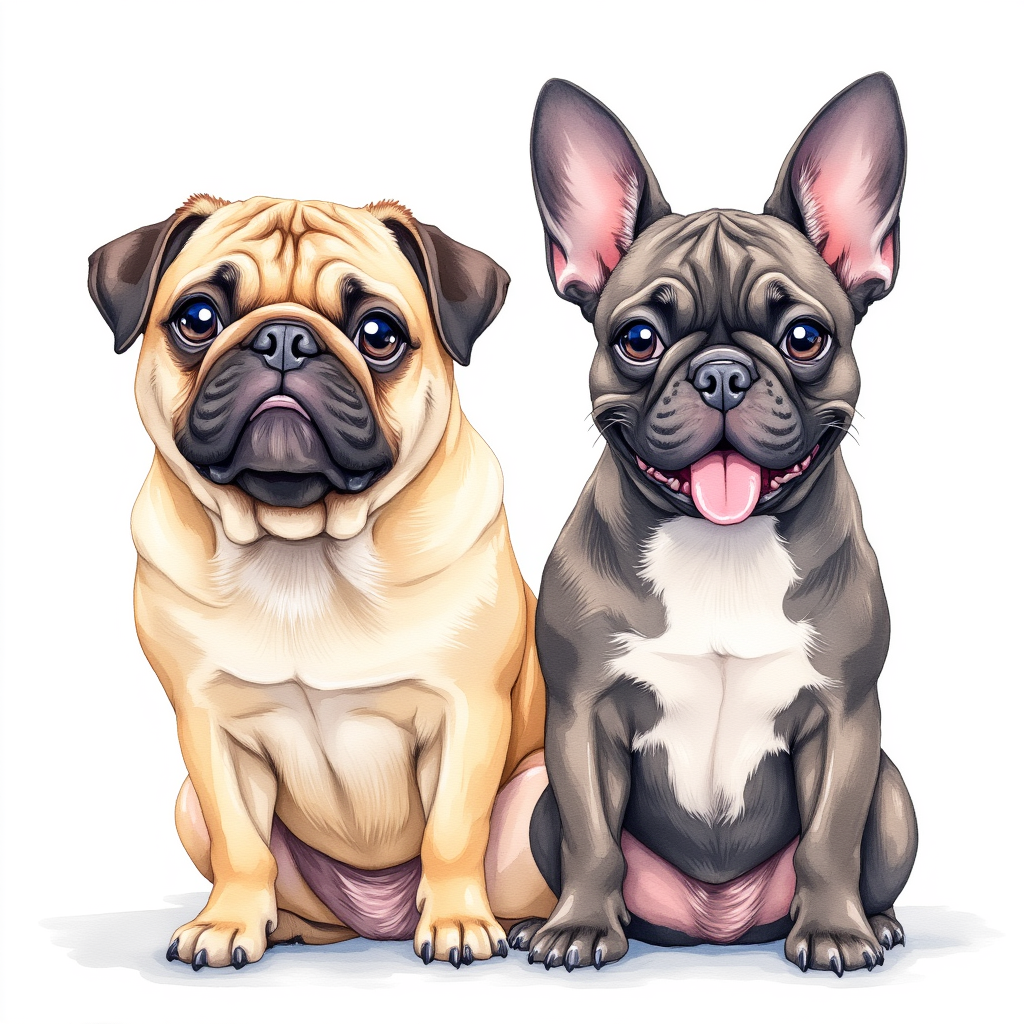
Short-nosed (brachycephalic) breeds
Gentle Leader–style head halters may not fit or work well for dogs with very short snouts—PetSafe specifically notes it won’t work for short-snouted breeds like Bulldogs and Pugs.
(Other short-nosed breeds may have similar fit issues—if the nose loop can’t sit correctly, skip it and choose a front-clip harness instead.)
Dogs with neck injuries (or where neck safety is a concern)
Veterinary Centers of America notes that dogs with neck injuries should not wear a collar around the neck or snout and should be fitted with a body harness instead.
If you’re unsure whether your dog is a good candidate, ask your vet (and if pulling is severe, consider working with a qualified trainer).
Quick dos and don’ts for better walks
DO
- Do use a 4–6 ft leash for everyday training walks
- Do reward loose-leash moments frequently (especially at the start)
- Do choose a front-clip harness if pulling is a big issue
- Do introduce new gear gradually with treats
- Do let your dog sniff (structured sniff breaks count as enrichment!)
DON’T
- Don’t rely on a tool alone—training is the real magic
- Don’t use a retractable leash for an untrained puller
- Don’t jerk a leash attached to a head halter
- Don’t use a Gentle Leader on short-snouted breeds like Pugs/Bulldogs
- Don’t push distance if your dog is struggling—build consistency first