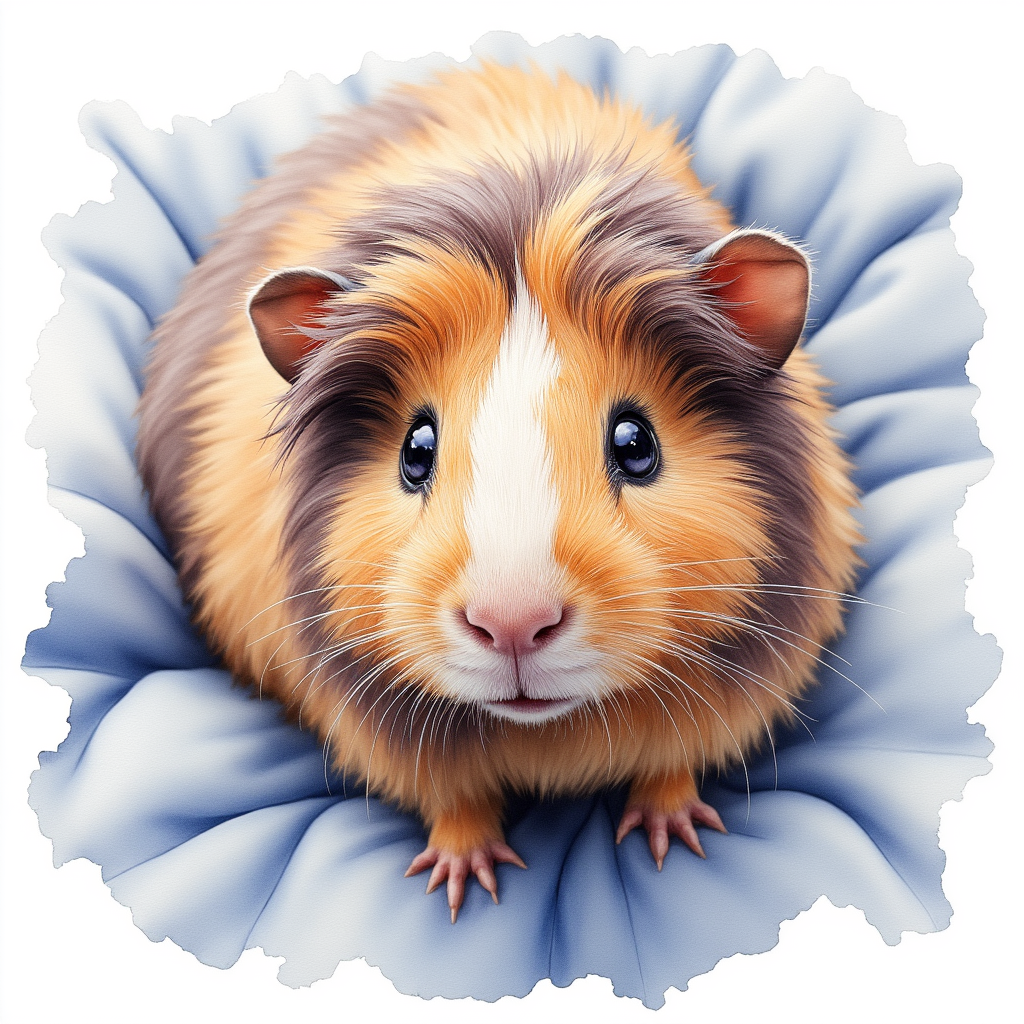
Guinea pigs are famous for their adorable wheeks and endless appetite, but many owners don’t realize that their teeth grow continuously throughout life. Healthy teeth depend on constant wear, making proper nutrition one of the most important parts of guinea pig care.
When teeth become overgrown or misaligned, eating becomes painful, leading to weight loss, digestive problems, and serious illness if left untreated.
Fortunately, prevention is surprisingly simple.
Why Guinea Pig Teeth Never Stop Growing
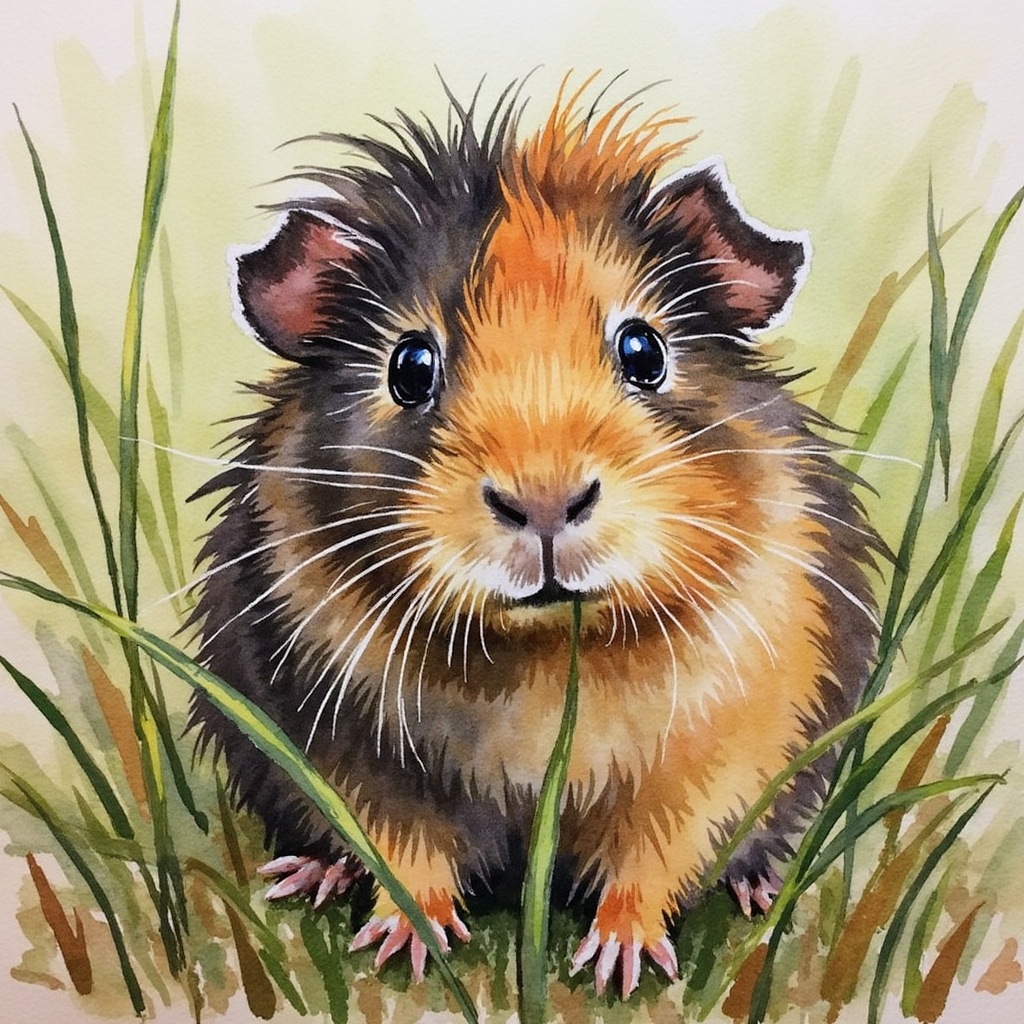
A guinea pig has 20 continuously growing teeth that rely on daily chewing to stay the proper length.
In nature, guinea pigs spend hours eating coarse grasses and plants. This constant side-to-side chewing naturally wears down the teeth.
Pet guinea pigs that eat too many pellets or sugary treats often chew less hay, increasing their risk of dental disease.
Signs Your Guinea Pig May Have Dental Problems
Because guinea pigs instinctively hide pain, it’s important to recognize early warning signs.
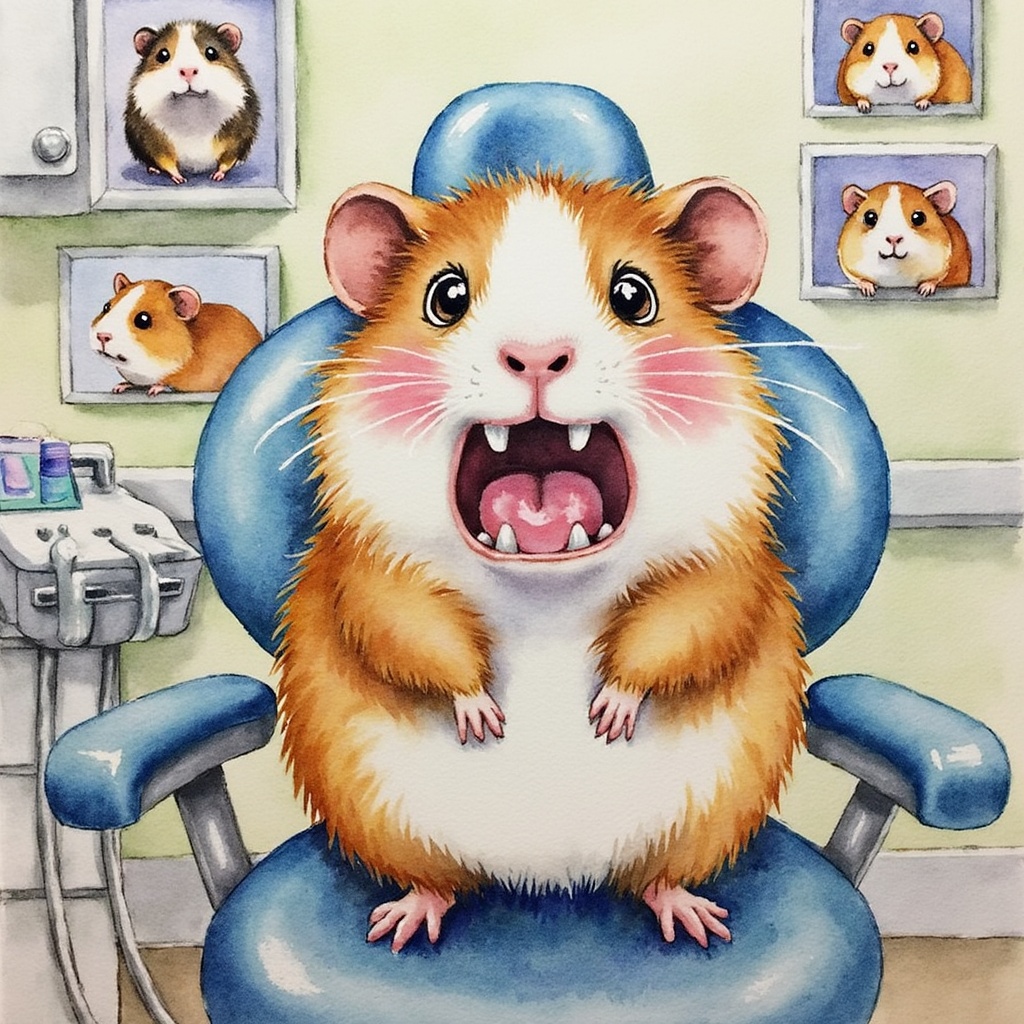
Contact your exotic pet veterinarian if your guinea pig is:
- Eating less than usual
- Dropping food from the mouth
- Taking longer to finish meals
- Drooling or developing a wet chin
- Losing weight
- Producing smaller fecal pellets
- Becoming quieter or less active
Early treatment can prevent far more serious complications.
Hay Is the Foundation of Healthy Teeth
Fresh grass hay should be available at all times and should make up approximately 75% of your guinea pig’s daily diet.
Timothy hay and orchard grass encourage the side-to-side chewing motion that naturally grinds continuously growing teeth.
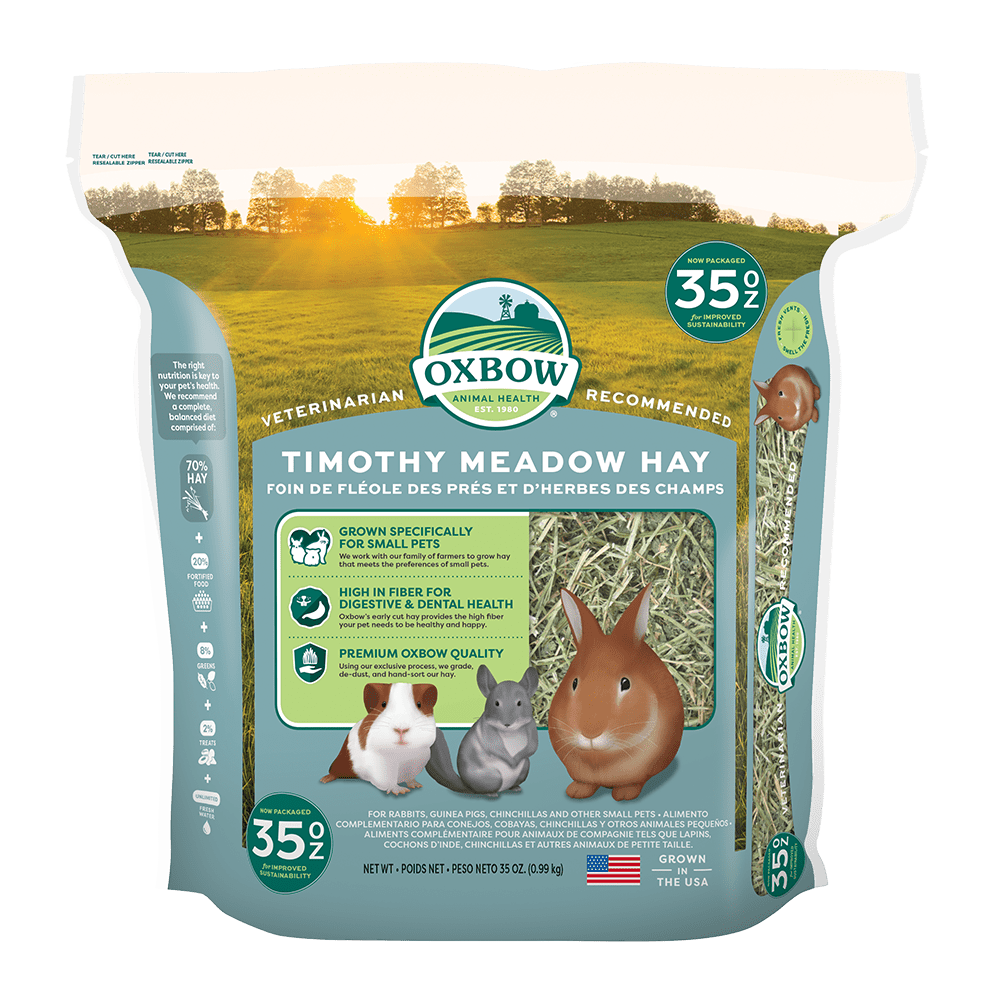
Without enough hay, the teeth simply don’t receive the wear they need.
Feed Pellets in Moderation
Choose a high-quality, high-fiber, grain-free guinea pig pellet and feed measured portions rather than allowing unlimited access.
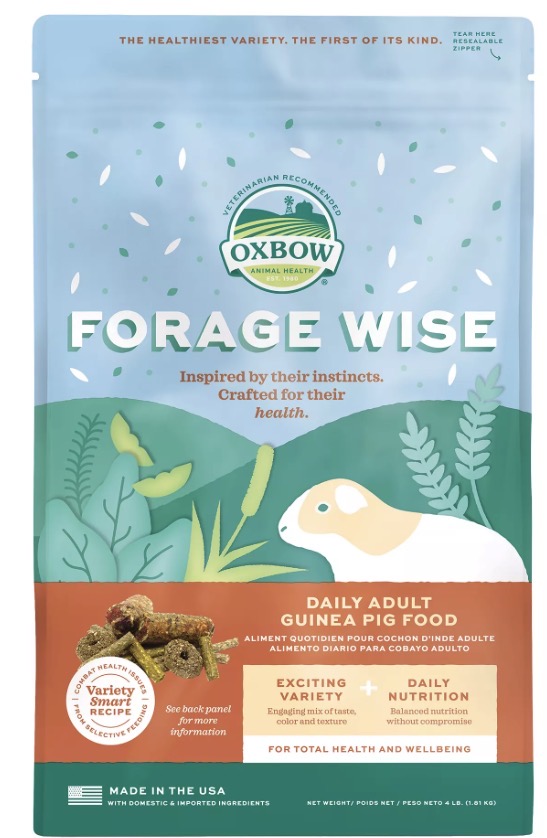
Too many pellets often mean less hay consumption, reducing natural tooth wear.
A balanced diet always begins with hay, not pellets.
Don’t Forget Vitamin C
Unlike most mammals, guinea pigs cannot produce their own vitamin C.
Providing vitamin C through quality guinea pig pellets and vitamin C-rich leafy greens supports healthy tissues, strong bones, and overall wellness.
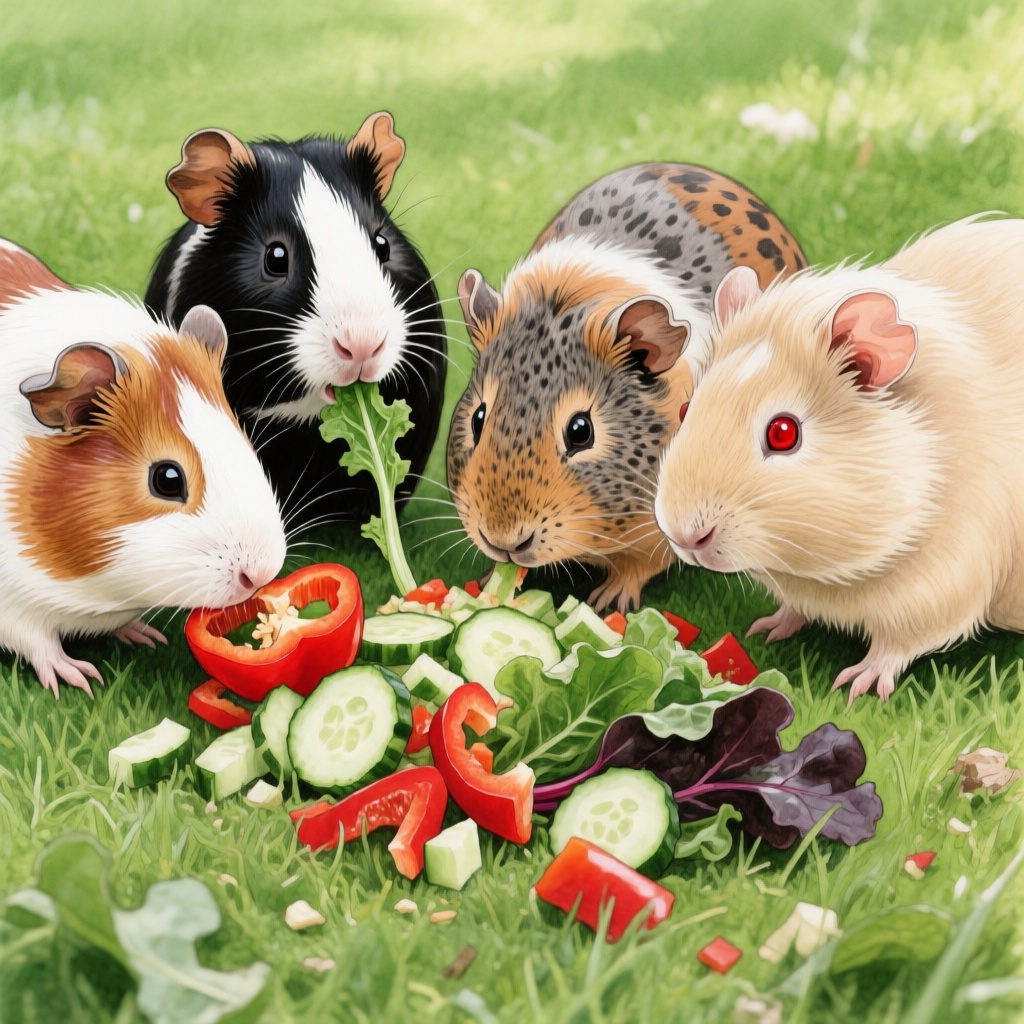
Although vitamin C alone won’t prevent dental disease, it plays an important role in maintaining the structures that support healthy teeth.
Avoid Sugary Snacks
Commercial yogurt drops, seed mixes, colorful treats, and sugary foods can upset your guinea pig’s digestive system and encourage poor eating habits.
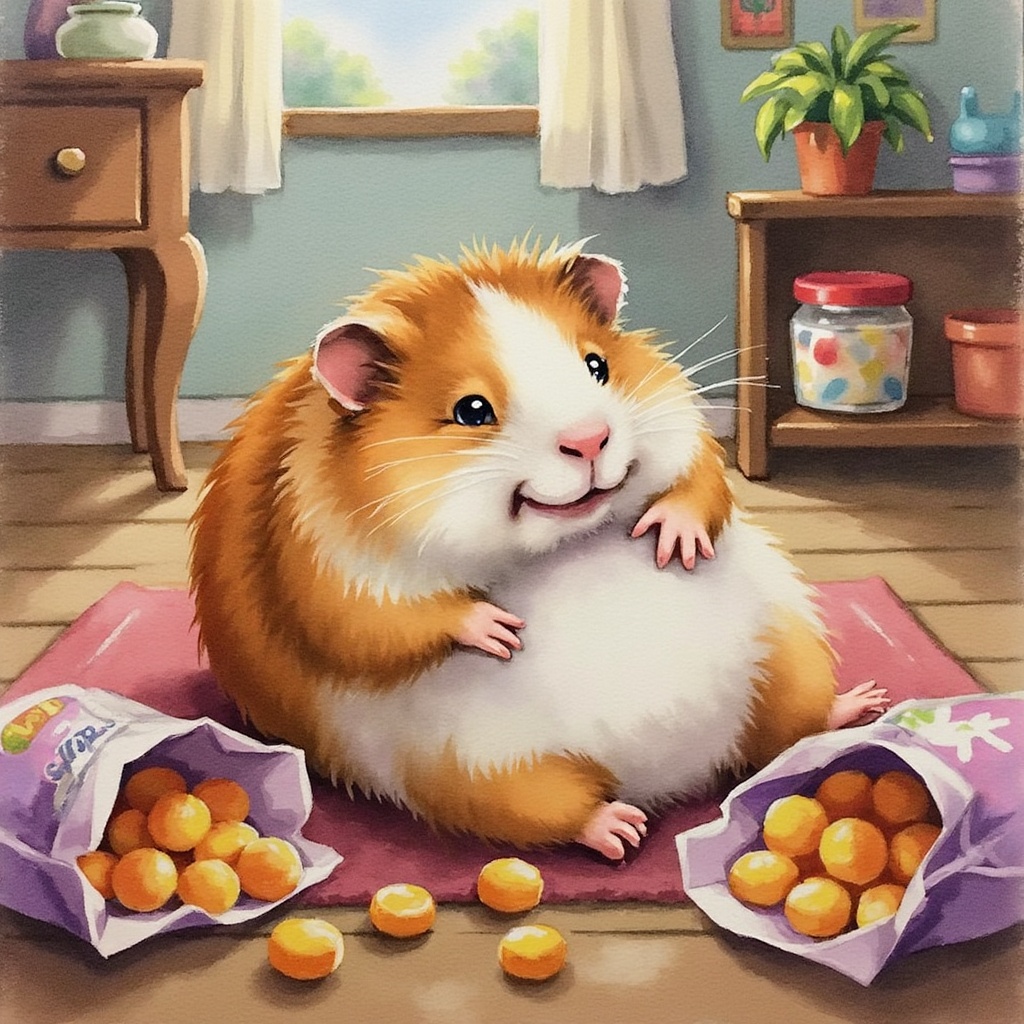
Healthy chewing begins with healthy nutrition.
Provide Safe Chewing Opportunities
Untreated apple wood sticks and other guinea pig-safe wooden chews provide valuable enrichment and satisfy natural chewing instincts.
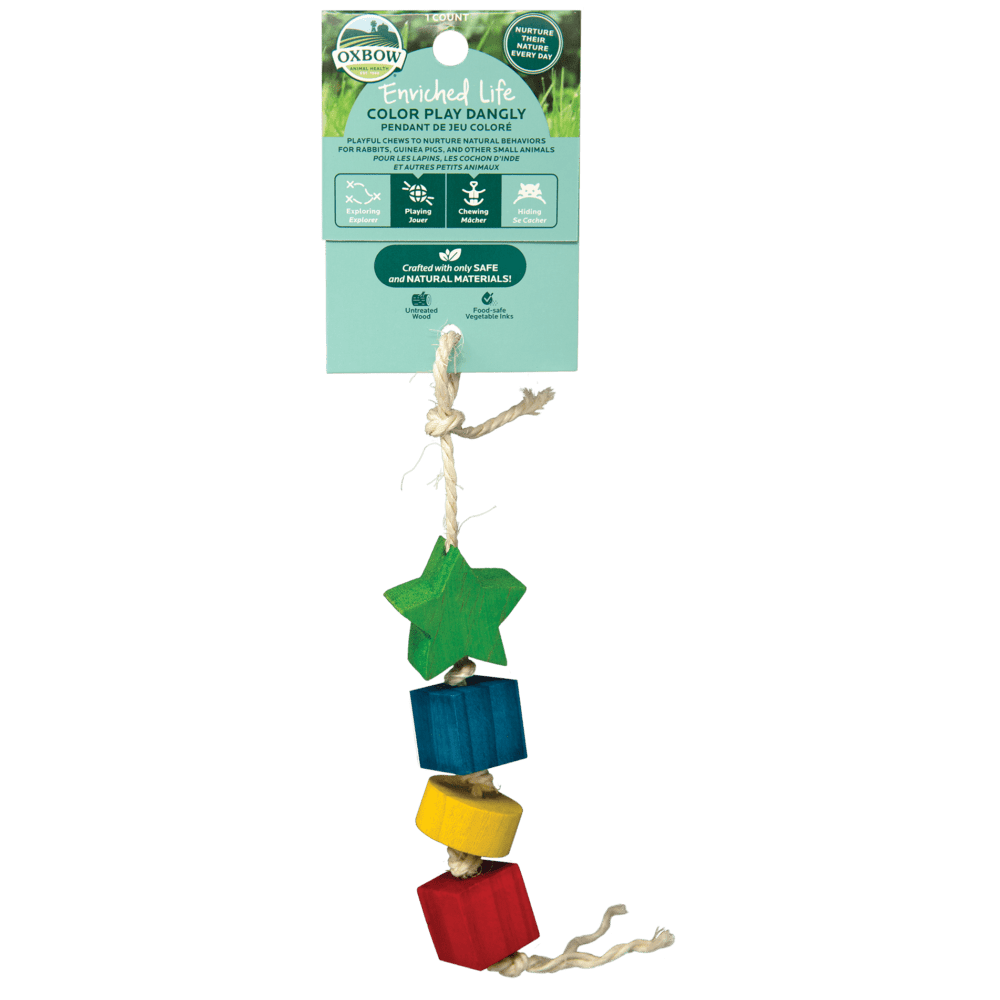
However, they are only a supplement. Nothing replaces the continuous grinding action provided by unlimited grass hay.
Schedule Regular Veterinary Exams
Some dental problems develop beneath the gumline or on the back molars where owners cannot see them.
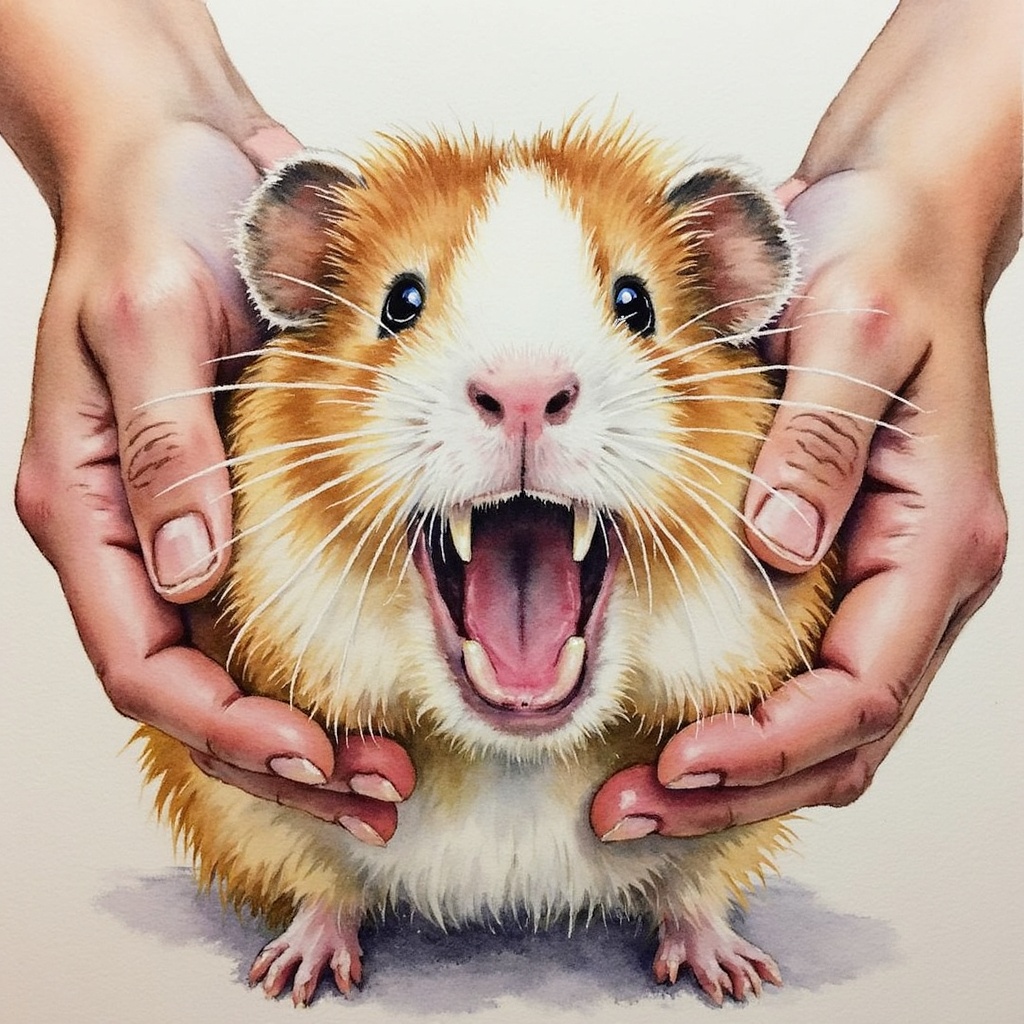
Routine examinations by an exotic pet veterinarian every 6 to 12 months allow subtle problems, including molar spurs and tooth root changes, to be identified before they become painful.
Healthy Teeth Support a Healthy Life
Good dental health affects much more than your guinea pig’s smile. Healthy teeth allow normal eating, proper digestion, stable body weight, and an overall better quality of life.
By offering unlimited grass hay, feeding pellets in moderation, meeting daily vitamin C needs, avoiding sugary treats, providing safe chewing enrichment, and scheduling regular veterinary checkups, you’ll give your guinea pig the best chance at a lifetime of healthy chewing.
Sometimes the simplest habits, like keeping the hay rack full, make the biggest difference.