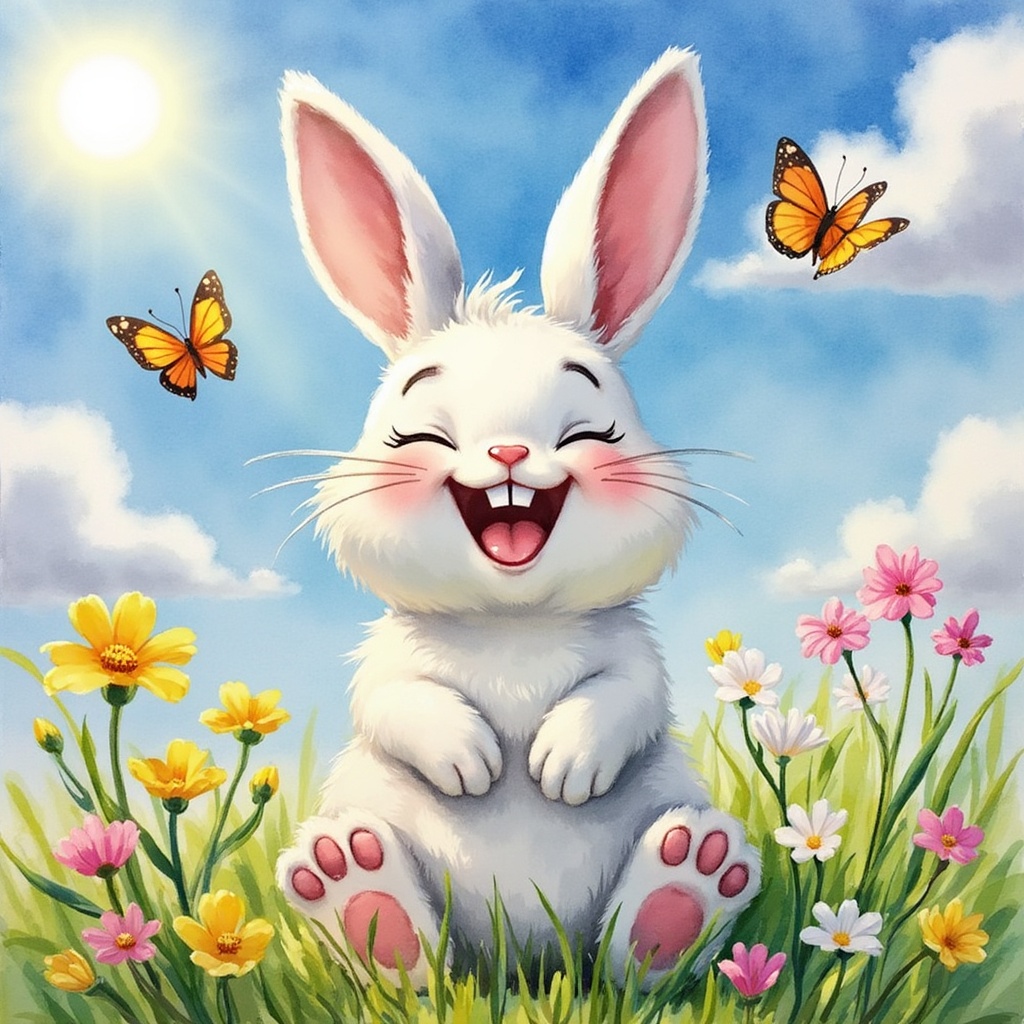
If you’ve ever watched your rabbit happily munch on a pile of hay for hours, you’ve witnessed one of the most important health habits they have. Unlike dogs and cats, a rabbit’s teeth never stop growing. Every single day, they rely on constant chewing to wear those teeth down naturally.
When that process is disrupted, painful dental disease can develop, making eating difficult and affecting nearly every aspect of your rabbit’s health.
The good news? Most dental problems can be reduced with proper nutrition, enrichment, and routine veterinary care.
Why Rabbit Teeth Need Constant Wear
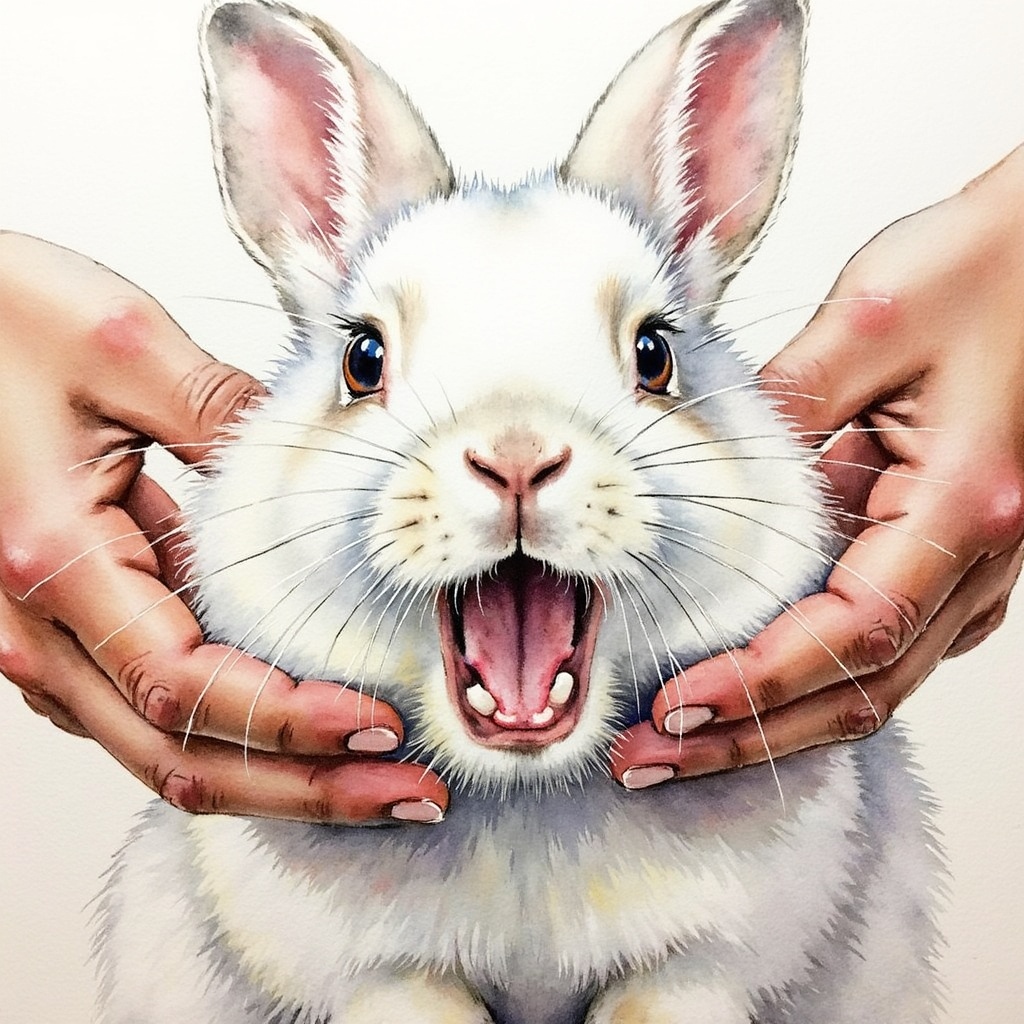
A rabbit has 28 teeth that grow continuously throughout its lifetime. In the wild, rabbits spend much of the day chewing tough grasses and vegetation. This repetitive side-to-side chewing motion naturally keeps their teeth at the correct length.
Domestic rabbits, however, often eat too many pellets or treats and not enough hay. Without enough natural grinding, the teeth can become overgrown or misaligned, leading to painful ulcers, abscesses, root problems, and difficulty eating.
Because rabbits instinctively hide illness, dental disease is often advanced before owners realize something is wrong.
Common Signs of Dental Disease
Watch your rabbit closely for subtle changes, including:
- Eating more slowly than usual
- Dropping food while chewing
- Choosing soft foods over hay
- Wet fur beneath the chin from drooling
- Weight loss
- Smaller or fewer fecal pellets
- Decreased activity or hiding more than normal
If you notice any of these symptoms, schedule an appointment with an exotic pet veterinarian as soon as possible.
RULE 1: The Best Prevention Starts with Hay
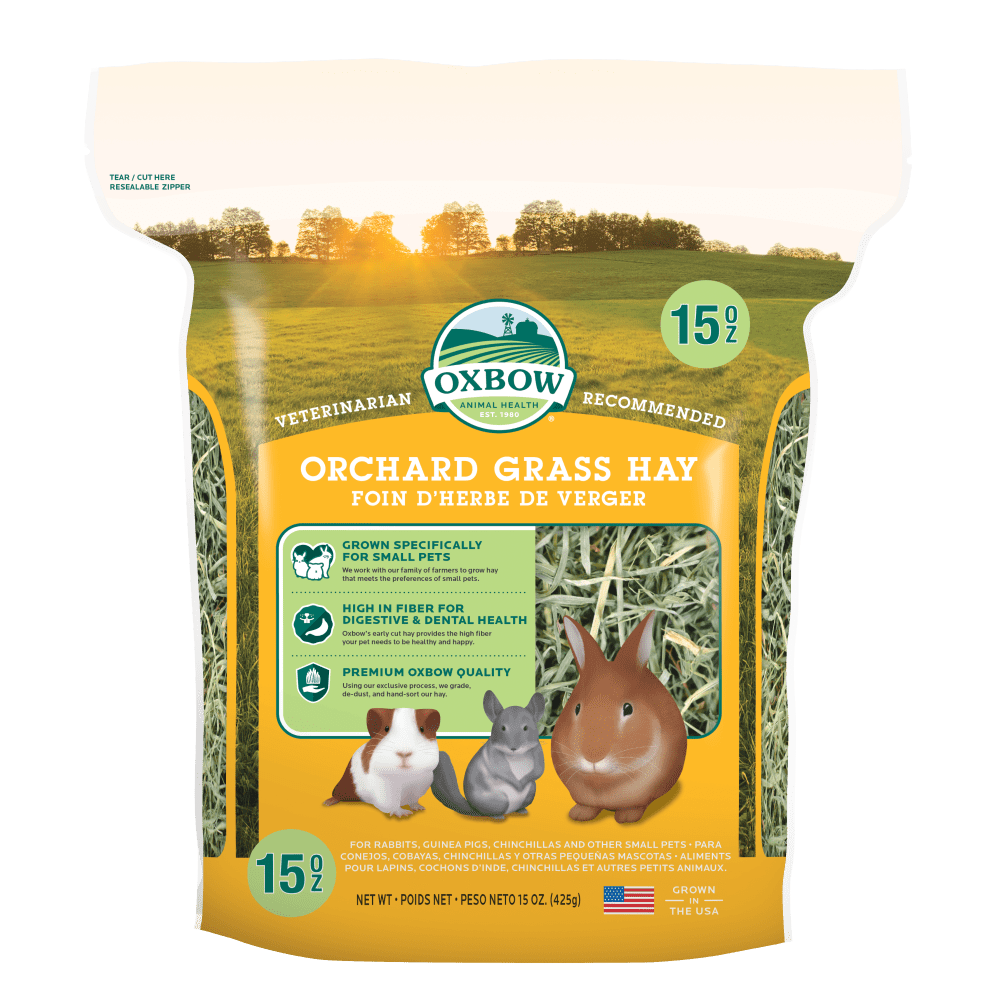
The single best thing you can do for your rabbit’s teeth is provide unlimited access to fresh grass hay.
Timothy hay or orchard grass should make up roughly 75% of your rabbit’s daily diet. Long strands of hay encourage the wide side-to-side chewing motion needed to naturally grind the teeth throughout the day.
Hay isn’t simply food. It’s your rabbit’s daily toothbrush.
RULE 2: Don’t Overfeed Pellets!
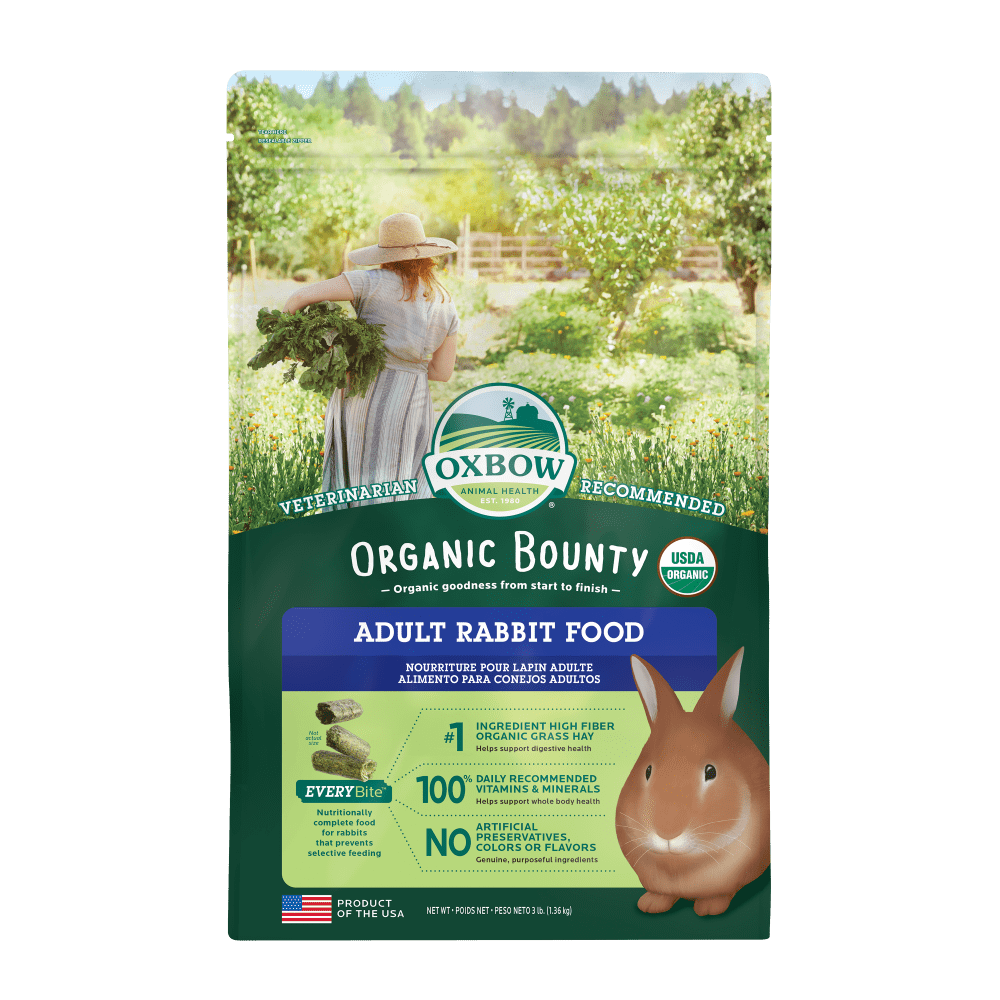
Pellets should only supplement the diet, not replace hay.
Offer measured portions of a high-fiber, grain-free rabbit pellet. When rabbits fill up on pellets, they eat less hay, reducing the chewing needed to keep their teeth healthy.
Remember: more pellets do not equal better nutrition.
RULE 3: Skip Sugary Treats
Commercial yogurt drops, seed mixes, and sugary snacks may seem appealing, but they provide little nutritional value and can interfere with healthy chewing habits while disrupting the digestive system.
Instead, reward your rabbit with appropriate leafy greens or veterinarian-approved treats.
RULE 4: Provide a Safe Chewing Enrichment
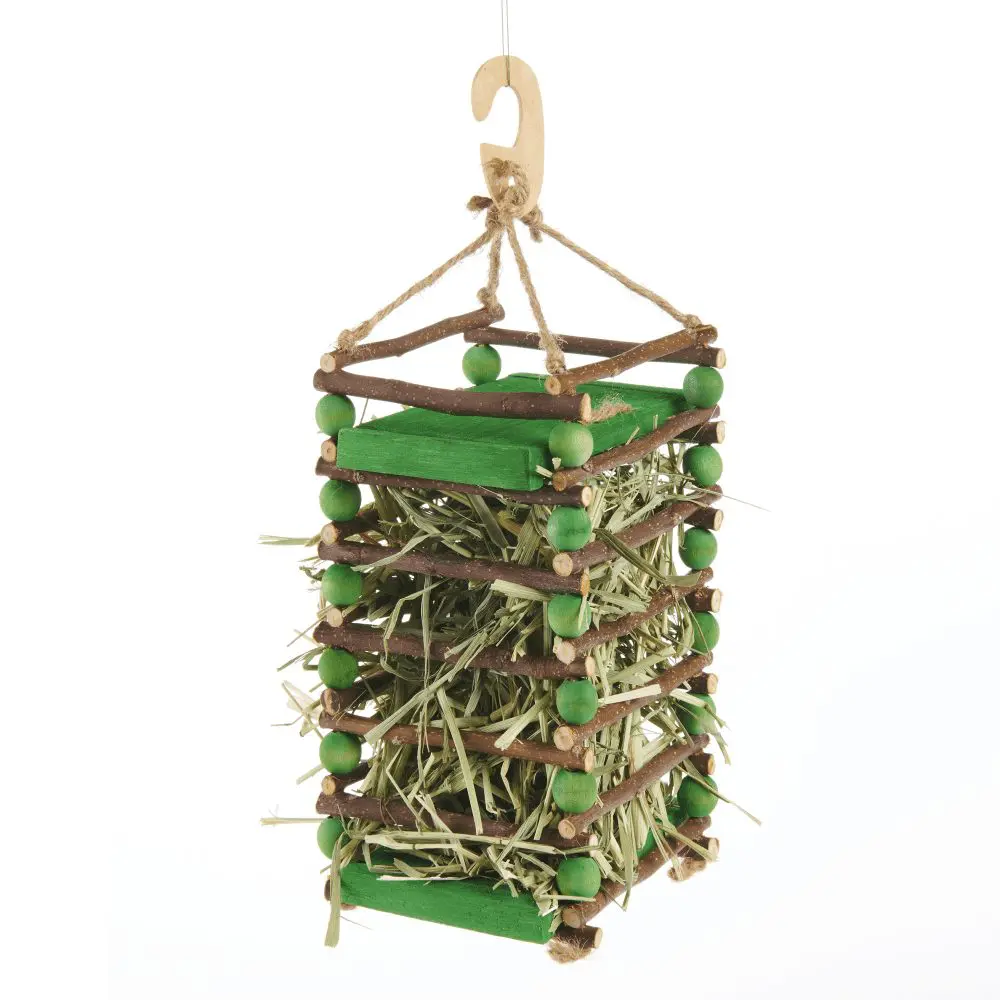
Many rabbits enjoy chewing untreated apple wood sticks and other rabbit-safe wooden toys.
While chew toys provide excellent mental stimulation and help satisfy natural chewing instincts, they should never replace unlimited grass hay. Hay remains the primary source of healthy tooth wear.
RULE 5: Schedule Routine Dental Exams
Not all dental disease is visible from the outside.
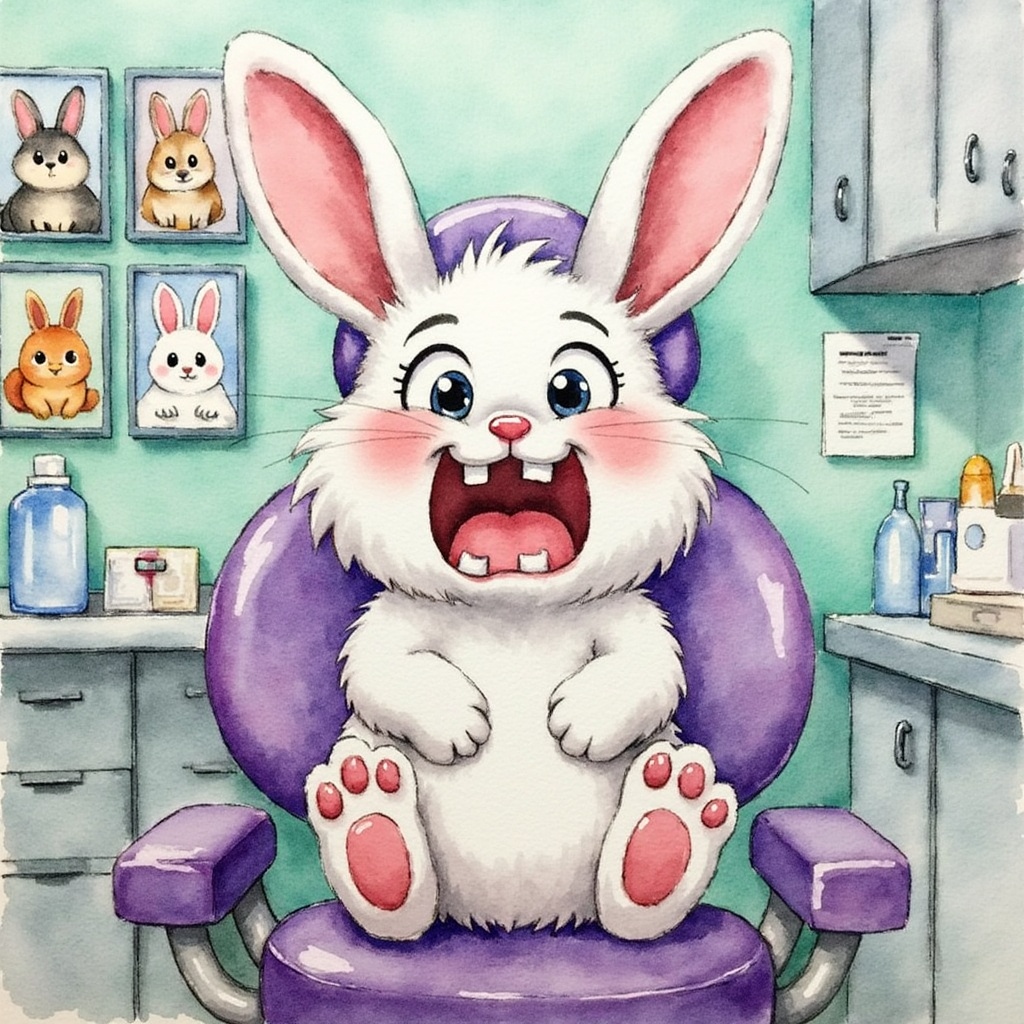
Overgrown molars, sharp enamel points (called molar spurs), and elongated tooth roots often develop long before obvious symptoms appear.
An exotic animal veterinarian should perform a complete oral examination every 6 to 12 months to detect problems early, when treatment is usually simpler and more successful.
Healthy Teeth Mean a Happier Rabbit
Dental disease is one of the most common health problems seen in pet rabbits, but it’s also one of the most preventable.
By feeding unlimited grass hay, limiting pellets, avoiding sugary treats, providing safe chewing opportunities, and scheduling regular veterinary exams, you’ll help your rabbit maintain healthy teeth for years to come.
After all, a rabbit that loves its hay is doing far more than eating. It’s protecting its smile with every bite.